
Exploring the cultural impact of gambling throughout history
The Origins of Gambling
The roots of gambling can be traced back thousands of years to ancient civilizations. Archaeological findings in China, Egypt, and Mesopotamia reveal that games of chance, often involving dice and betting, were popular forms of entertainment. These early forms of gambling served not only as leisure activities but also played a significant role in the social and economic frameworks of these societies. For example, in ancient China, gambling was not only a pastime but also a way to engage in community bonding. Moreover, this fascination has evolved significantly, as seen in modern establishments like MethSpin casino, which aim to provide a safe and engaging environment.

In addition to its recreational value, gambling provided a mechanism for social hierarchy. In many cultures, it was associated with rituals and games that determined leadership or fortunes. The significance of these activities is reflected in various historical texts, which indicate that gambling was intertwined with religious beliefs and practices. This duality of pleasure and purpose set the stage for the complex relationship between gambling and culture throughout history.
As civilizations advanced, so too did the complexity of gambling practices. By the time of the Roman Empire, for example, organized gambling events had evolved into significant social gatherings, complete with spectators and organized betting systems. The Romans embraced gambling as part of their culture, and it became a popular activity among citizens from all walks of life, further embedding it into the fabric of societal norms.
The Role of Gambling in Society
Throughout history, gambling has served various social functions beyond mere entertainment. In many communities, it has acted as a social glue, fostering connections among individuals. Whether through informal betting pools or large-scale gaming events, these activities often bring people together, transcending social barriers. This communal aspect of gambling can be observed in traditional games like Mahjong in China or the various card games played in Western societies. Understanding odds and probabilities comes into play, influencing how individuals perceive their chances.
Moreover, gambling has been a source of economic activity. From the establishment of lotteries in Europe to the development of casinos, the gambling industry has created jobs and stimulated local economies. Revenue generated from gambling activities often funds public projects and community initiatives, highlighting its potential for positive societal impact. However, this economic benefit is often shadowed by the negative consequences of gambling addiction, which has raised ethical questions about its regulation.
As societies evolved, so did the perception of gambling. In some cultures, gambling was embraced and celebrated, while in others, it was stigmatized and restricted. For example, in many Islamic cultures, gambling is prohibited due to religious beliefs, while in contrast, Western societies have seen the normalization of gambling through legal frameworks and advertising. This dichotomy illustrates how cultural attitudes toward gambling can shape legislation and public opinion.
The Cultural Representation of Gambling
Gambling has been a prominent theme in literature, film, and art, reflecting and shaping societal attitudes over the years. Classic works such as Dostoevsky’s “The Gambler” and the popular film “Casino Royale” illustrate the allure and dangers associated with gambling. These narratives often explore themes of risk, morality, and the quest for fortune, resonating with audiences on multiple levels. Such representations contribute to the ongoing discourse surrounding gambling and its implications in everyday life.
Visual arts have also played a role in depicting gambling’s cultural significance. Paintings and sculptures often capture scenes of gambling, showcasing its social dynamics and the emotions associated with risk-taking. The imagery typically emphasizes both the excitement and the perils of gambling, mirroring the real-life consequences faced by individuals. This artistic portrayal serves as both a reflection of society’s fascination with gambling and a cautionary tale about its potential pitfalls.
Moreover, the cultural representation of gambling is not static; it evolves with societal changes. As new gambling technologies emerge, such as online gaming, representations in media reflect these advancements. The rise of virtual casinos and mobile betting has transformed how gambling is viewed, making it more accessible while also posing new ethical dilemmas and societal challenges. This ongoing evolution highlights the dynamic nature of gambling in modern culture.
The Psychological Aspects of Gambling
The psychological dimensions of gambling have garnered significant attention from researchers and mental health professionals. Understanding the motivations behind gambling behavior is crucial for comprehending its cultural impact. Many individuals engage in gambling for the thrill of winning, the social interaction it provides, or as a means of escape from daily stressors. These psychological triggers can foster an environment where gambling becomes more than a mere pastime.
Additionally, gambling addiction is a growing concern that affects individuals and families alike. The psychological mechanisms that lead to addiction, such as the near-miss effect and variable reinforcement schedules, are critical in explaining why some individuals develop compulsive behaviors. The stigma surrounding problem gambling often deters individuals from seeking help, making awareness and education essential in mitigating its impact on society.
Efforts to promote responsible gambling practices are becoming increasingly important as the prevalence of gambling continues to rise. Initiatives aimed at educating the public about the risks associated with gambling can lead to healthier engagement with these activities. Ultimately, understanding the psychological aspects of gambling not only informs public policy but also contributes to a more nuanced conversation about its place in culture.
Methspin Casino: A Modern Gaming Platform
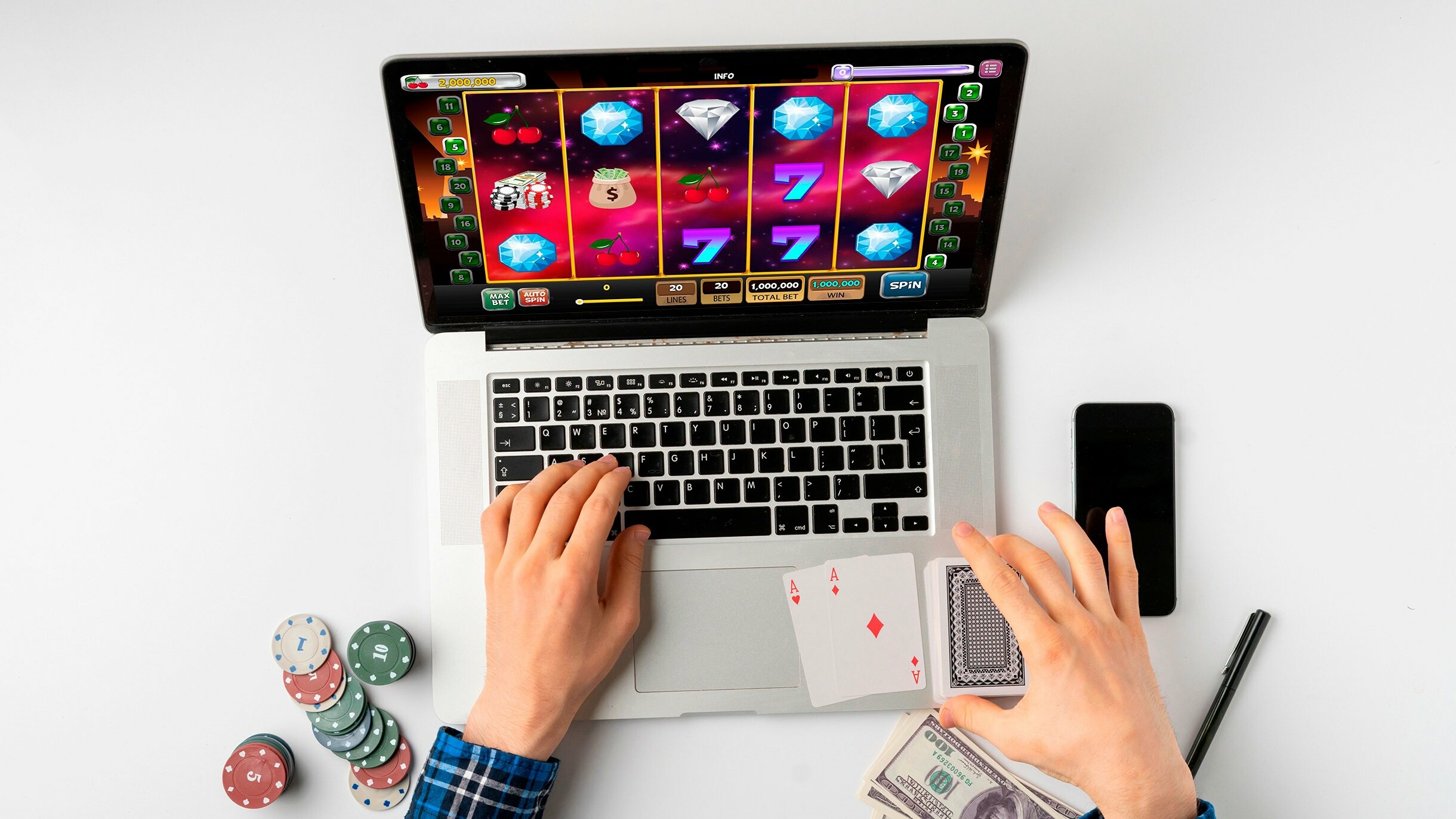
In the contemporary landscape, online casinos have revolutionized the gambling experience, providing an accessible platform for enthusiasts. Methspin Casino stands out as a premier online gaming destination specifically designed for Australian players. With a library boasting over 2,500 pokies and various table games, it caters to both novice and experienced gamers. This breadth of offerings reflects the diverse interests of players, thereby enhancing the cultural relevance of gambling in today’s society.
The emphasis on user security is paramount at Methspin Casino, where robust encryption technologies ensure a safe gambling experience. Various payment methods further cater to players’ preferences, demonstrating an understanding of the evolving needs of modern gamers. Moreover, the platform offers attractive bonuses and a VIP program, which enrich the gaming experience, making it not just about chance but also about community and loyalty.
Beyond the games themselves, Methspin Casino also prioritizes customer support, available around the clock. This commitment to user experience highlights a significant shift in how gambling platforms operate, emphasizing the importance of community engagement and user satisfaction. As such, Methspin Casino exemplifies the intersection of tradition and modernity in gambling, reinforcing its enduring cultural impact in an increasingly digital world.